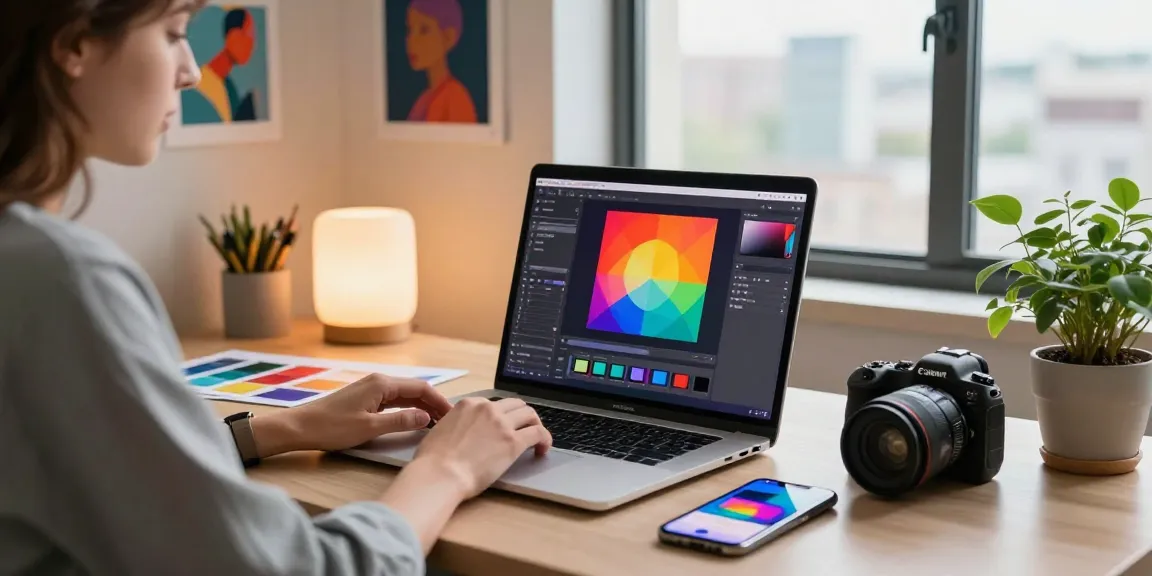
Understanding Free AI Image Editors
As the digital landscape continues to evolve, the demand for user-friendly and powerful image editing solutions has skyrocketed. Among these solutions, free ai image editor tools have emerged as transformative options for individuals and professionals alike. These tools harness the power of artificial intelligence to simplify complex editing tasks, making them accessible to users with varying levels of expertise. In this article, we will explore the intricacies of free AI image editors, their benefits, key features, and the best options available as we move into 2026.
What is a Free AI Image Editor?
A free AI image editor is a software tool that employs artificial intelligence algorithms to enhance and manipulate images without requiring advanced photomanipulation skills. These tools typically leverage machine learning to recognize elements within images, allowing users to perform complex editing tasks—such as background removal, style transfers, or automatic retouching—quickly and with minimal effort. By democratizing access to sophisticated editing capabilities, free AI image editors enable anyone from hobbyists to seasoned professionals to produce stunning visuals with relative ease.
Benefits of Using AI in Image Editing
The integration of artificial intelligence in image editing brings numerous advantages that elevate the user experience significantly. Some key benefits include:
- Efficiency: AI image editing tools can automate repetitive tasks, reducing editing time without sacrificing quality.
- Intuitive Interfaces: Many AI editors are designed with user-friendly interfaces that guide users through editing processes, making them suitable for beginners.
- Enhanced Output Quality: AI algorithms can optimize images based on context, resulting in high-quality outputs that often surpass traditional methods.
- Accessibility: Most free AI image editors are available online, meaning users can access them from any device with internet connectivity.
Common Features of Free AI Image Editors
While the features can vary between different AI image editors, several common functionalities are typically found in most free tools:
- Automatic Background Removal: Quickly isolate subjects from backgrounds with smart selection techniques.
- Style Transfer: Apply artistic styles to images by mimicking the techniques of renowned artists.
- AI-Powered Filters: Enhance images using intelligent filters that analyze and adjust the image based on its content.
- Image Restoration: Repair or enhance old or damaged photos automatically.
Comparison of Popular Free AI Image Editors in 2026
As the market for AI image editors continues to grow, several standout options have emerged in recent years. Below, we compare some of the most popular free AI image editors available in 2026 based on their features, usability, and user feedback.
Top Free AI Image Editors Available
The landscape of free AI image editors is diverse, offering a range of tools with unique capabilities. Some of the top contenders include:
- Remove.bg: A go-to for background removal, Remove.bg uses AI to accurately detect and eliminate backgrounds in images with a single click.
- DeepArt: This tool allows users to create stunning artwork using the style transfer feature, mimicking famous artistic styles for unique outputs.
- Canva: An all-rounder, Canva offers AI-powered design features, including auto-resizing and photo enhancement, making it a favorite among social media marketers.
- PicsArt: This versatile editor combines traditional editing tools with AI features like automatic photo enhancements and smart cutouts, catering to both casual users and professionals.
Pricing Models Explained
While many of the editors mentioned above are free, they often operate under specific pricing models to sustain their services:
- Freemium Model: Users can access basic features for free, with premium features available through subscription or one-time purchases.
- Ad-Supported: Some tools rely on ads for revenue, offering free access while displaying advertisements to users.
- Tiered Pricing: Certain platforms may provide multiple tiers of service, with enhanced features reserved for higher-paying users.
User Experiences and Reviews
User feedback on free AI image editors has been largely positive, with many appreciating the efficiency and quality of outputs. Reviews commonly highlight:
- Ease of Use: Users frequently commend the intuitive interfaces that reduce the learning curve associated with complex editing tasks.
- Time-Saving: Many report significantly reduced editing times, enabling them to focus more on creative aspects rather than technical details.
- Quality Results: Feedback consistently points to high-quality outputs that meet or exceed professional standards, making these tools viable for various applications.
Best Practices for Using Free AI Image Editors
Even with powerful tools at your disposal, it’s important to adopt best practices to maximize your efficiency and output quality when using free AI image editors. Here are some guidelines to follow:
Enhancing Your Workflow
To get the most out of your AI image editing experience, consider the following tips for enhancing your workflow:
- Familiarize Yourself: Take time to explore the features and capabilities of your chosen tool to utilize it effectively.
- Use Shortcuts: Learn keyboard shortcuts and quick commands that speed up your editing process.
- Batch Processing: If the tool supports it, process multiple images simultaneously to save time.
Common Mistakes to Avoid
While using free AI image editors, certain pitfalls can undermine the quality of your work:
- Over-Reliance on AI: While AI can simplify tasks, relying on it exclusively may lead to less personalized results.
- Ignoring Image Resolution: Be mindful of the resolution and format of your images, as using low-quality images can yield unsatisfactory results.
- Neglecting Backups: Always save backups of original images before making edits, allowing you to revert if needed.
Step-by-Step Editing Techniques
Adopting structured editing techniques can significantly improve your results. Here’s a generic step-by-step approach you can follow:
- Import Your Image: Begin by uploading the image you wish to edit into the AI editor.
- Set Your Goals: Define what you want to achieve—whether it’s retouching, altering backgrounds, or applying filters.
- Make Use of Features: Utilize the AI tools available to make initial adjustments efficiently.
- Refine Manually: After AI processing, review the results and make any necessary manual adjustments to enhance the overall quality.
- Export and Save: Once satisfied, export your image in the desired format and resolution.
Future Trends in AI Image Editing
The future of AI image editing looks promising, with emerging technologies poised to reshape how we create and interact with digital images. Below, we explore some expected trends and their implications for the industry.
Emerging Technologies and Innovations
As we progress through 2026, several emerging technologies are likely to enhance AI image editing capabilities:
- Augmented Reality (AR): Integration of AR features will allow users to visualize edits before finalizing them, enhancing interactivity.
- Real-time Collaboration: Future tools may offer real-time editing features enabling multiple users to work on images simultaneously, fostering creativity.
- Advanced Predictive Editing: With improvements in machine learning, editors might predict users' preferences and suggest tailored edits automatically.
The Role of AI in Creative Industries
AI's role in creative industries is expanding, with implications for artists, graphic designers, and marketers alike:
- Efficiency Boost: AI tools will streamline workflows, enabling creatives to dedicate more time to conceptual work rather than technical aspects.
- Democratization of Art: With accessible AI tools, more individuals—from amateur photographers to budding artists—can express their creativity without expensive software.
- New Aesthetic Possibilities: AI's capacity to analyze and replicate styles opens up new artistic avenues, leading to the evolution of visual culture.
Predicting Market Changes by 2026
As technology continues to advance, we can anticipate significant shifts in the market landscape for AI image editing tools:
- Increased Competition: More providers will likely enter the market, driving innovation and improving feature sets.
- Greater User Expectations: As users become more accustomed to AI, their expectations for quality and usability will rise.
- Integration with Other Platforms: AI image editors may increasingly integrate with social media and marketing platforms, streamlining the process for users to share and promote their work.
Frequently Asked Questions about AI Image Editing
As you navigate the world of AI image editors, you might have some questions. Below are answers to common inquiries:
Is it really free?
While many AI image editors offer free versions, they often come with limitations such as watermarks, restricted features, or ad support. Always read the terms to understand what "free" entails.
What are the limitations of free AI image editors?
Common limitations include restricted features, lower quality exports, and possible watermarked images. Some tools might also limit the amount of storage or the number of images you can edit per month.
How to choose the best AI image editor for my needs?
Consider your specific editing requirements, the features offered, ease of use, and any potential costs involved in premium features. User reviews can also provide insight into the platform's reliability and performance.
Can I use these tools for professional projects?
Many free AI image editors can produce high-quality outputs that are suitable for professional use, but be cautious of tools with watermarked images or those that don't offer satisfactory resolution options for print quality.
What should I look for in user support?
When selecting an AI image editor, look for comprehensive user support, including tutorials, FAQs, forums, and direct customer service options. Quality support can significantly enhance your experience as you learn the tool.